
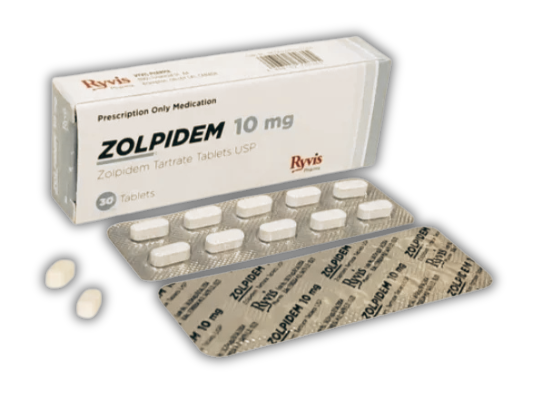
Zolpidem is a widely prescribed non-benzodiazepine hypnotic medication. It’s become one of the most studied sleep aids in modern medicine, and new research keeps revealing insights about its efficacy, safety, and risks.
Healthcare professionals and researchers aiming to publish about zolpidem need to understand the latest clinical data. They also need to focus on clear, effective scientific writing.
Recent studies show zolpidem carries significant risks, like increased fall rates (OR 4.28), hip fractures (RR 1.92), and complex sleep behaviours. There are also gender-specific differences in drug metabolism, which have led to new dosage recommendations.
These findings make it crucial to present zolpidem research with scientific rigour and clarity. The medication’s widespread use and changing risk-benefit profile keep the conversation evolving.
Writing about zolpidem means paying close attention to new research, using solid study methods, and communicating both benefits and risks. This guide explores how to craft well-researched scientific articles about zolpidem, from understanding current clinical evidence to picking the right journals for publication.
Current Research and Scientific Understanding of Zolpidem
Recent research has revealed concerning patterns of zolpidem abuse and withdrawal symptoms. There are documented cases where people escalated their doses to as much as 6,000 mg daily.
Studies now focus on understanding why dependency develops and how to improve detoxification protocols. It’s a challenging field, and the numbers are worrying.
Latest Clinical Trials and Findings
Clinical trials have looked at zolpidem’s efficacy compared to behavioural treatments for insomnia. One randomised controlled trial compared behavioural therapy (n = 104) with zolpidem therapy (n = 107) as first-stage treatments.
The study used sublingual zolpidem at 5-10 mg nightly at bedtime. Behavioural therapy involved sleep restriction and stimulus control techniques.
Key findings from recent case studies:
- Abuse cases with consumption up to 6,000 mg daily
- Withdrawal symptoms like seizure-like episodes and nystagmus
- Detoxification success using clonazepam replacement therapy
A case series from clinical and forensic settings in Italy has shed light on misuse patterns. Researchers are documenting a phenomenon users call ‘Z-trip.’
Meta-analyses in elderly populations have revealed safety concerns. Despite common prescriptions for older adults, there aren’t many randomised controlled studies in this group.


Reviews
There are no reviews yet.