
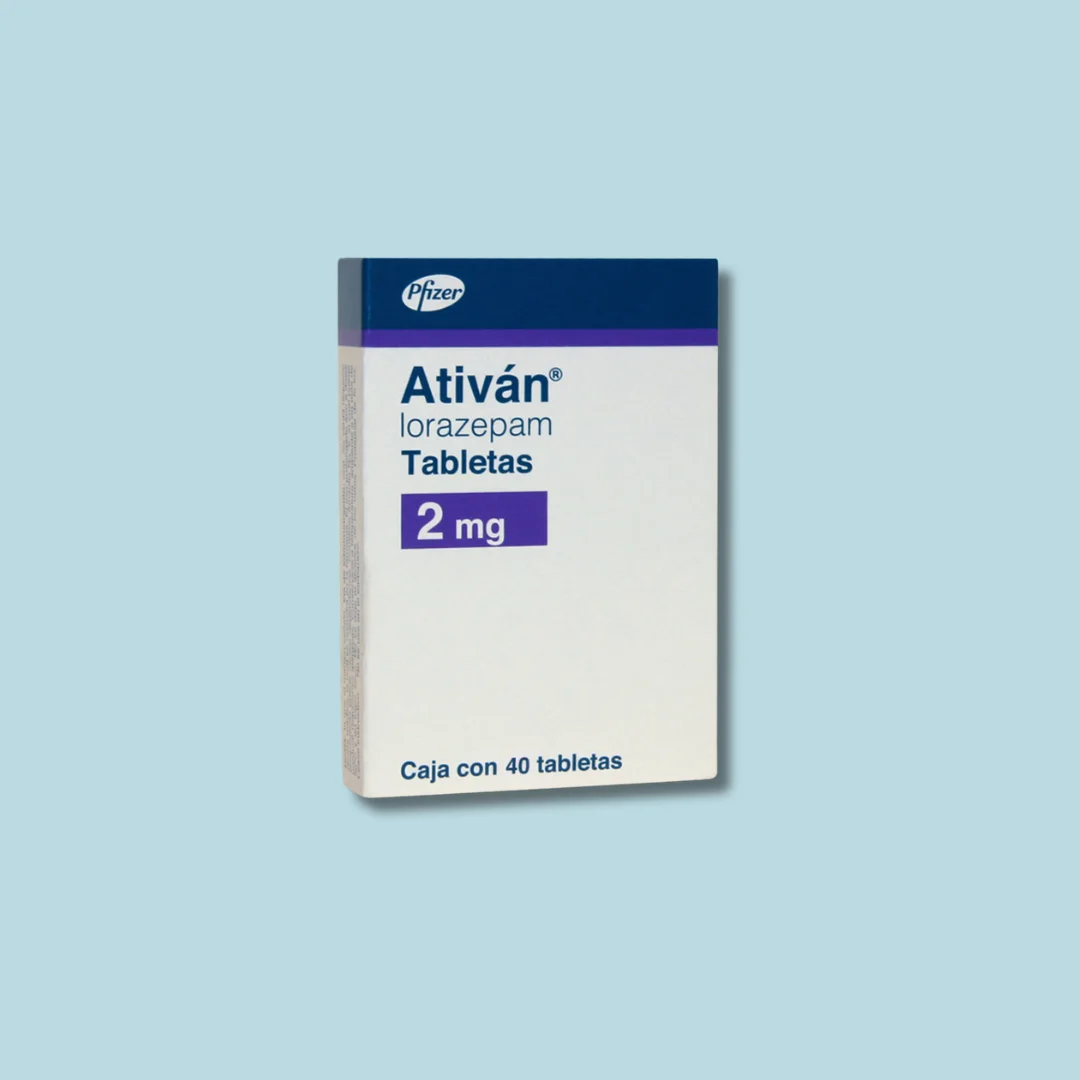
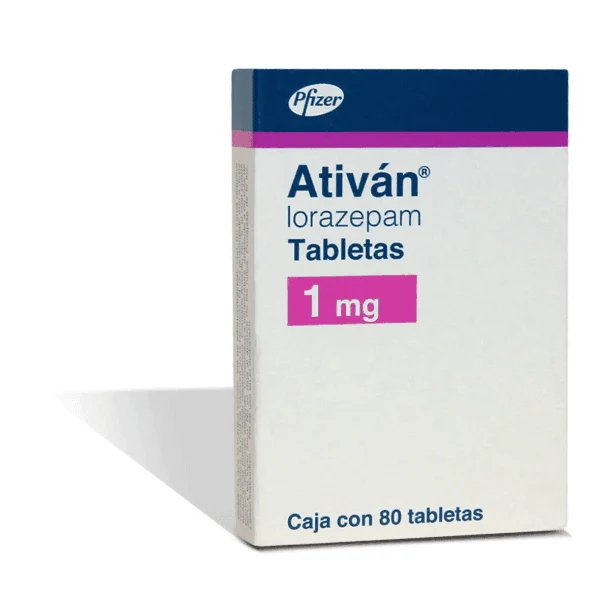
Ativan (Lorazepam) is indicated for the treatment of anxiety disorders, including generalized anxiety disorder and acute anxiety episodes. It is also used in the management of anxiety associated with depression and for pre-operative sedation. This medication acts on the central nervous system, helping to reduce excitement and promote a state of calm. It is important that its use be supervised by a physician, as treatment must be individualized and adjusted to the specific needs of the patient.
Contraindications
Ativan is contraindicated in patients with known hypersensitivity to Lorazepam or to any component of the formula. It should not be administered to patients with severe respiratory diseases, severe hepatic insufficiency, or in those with a history of substance abuse. Likewise, it is contraindicated during pregnancy and lactation, unless deemed strictly necessary by the physician.
Precautions
Caution is recommended in patients with a history of depression, respiratory diseases, or renal insufficiency. Prolonged use of Ativan can lead to dependence, so its use beyond the time recommended by a doctor should be avoided. The benefits and risks of treatment should be regularly assessed. Additionally, it is important not to discontinue treatment abruptly, as this can cause withdrawal symptoms.
Role in the Treatment of Anxiety Disorders
Lorazepam (often called Ativan) is prescribed for generalised anxiety disorder (GAD), panic disorder, and short-term severe anxiety. Its main effect comes from enhancing GABA activity, which quiets the central nervous system.
Clinicians like lorazepam for its rapid onset and predictable results, especially during acute anxiety spikes. Long-term use isn’t recommended because of tolerance and dependence risks.
For ongoing anxiety, doctors usually combine it with behavioural therapy or SSRIs after the initial crisis passes. It’s important to monitor for sedation, impaired coordination, and cognitive slowing, especially in older adults, since fall risk goes up.
Doctors should reassess periodically and taper the medication once therapy starts working.




Reviews
There are no reviews yet.