
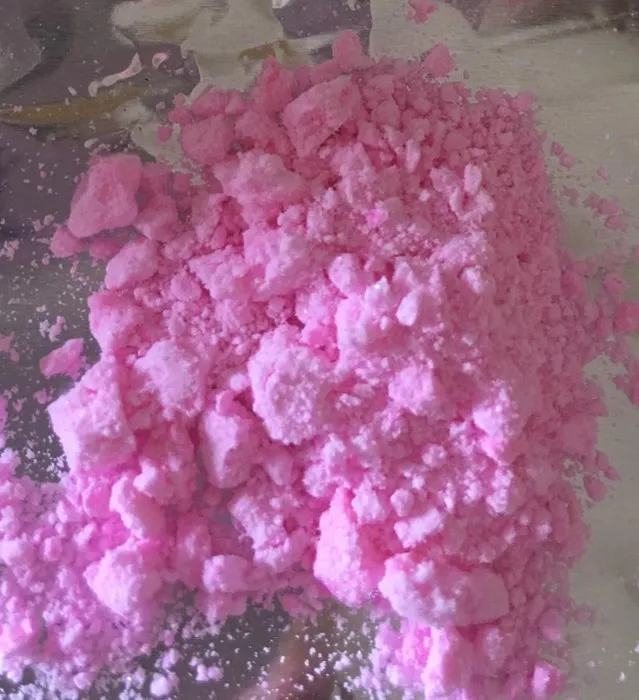
What Exactly is Pink Cocaine?
Pink cocaine has been featured in the news a lot recently. But what is it? Well, despite its name, this trendy party drug rarely contains any actual cocaine. Instead, it’s a dangerous cocktail of various substances, typically including MDMA (ecstasy), ketamine, and sometimes methamphetamine. Drug makers add food colouring and strawberry flavouring to give it its distinctive pink hue, making it more visually appealing to young clubbers.
You’ll find pink cocaine in two main forms: pills or powder that users typically snort. Known by various names including “cocaina rosada”, “tuci”, “Venus”, and “Eros”, it sells for about £76 per gram in Spain, where dealers market it as a premium product.
A Brief History
The story of pink cocaine starts with American biochemist Alexander Shulgin, who first created a psychedelic version in 1974. But today’s pink cocaine bears little resemblance to that original compound. The modern variant emerged around 2010 in Colombia, quickly spreading through Latin America’s club scene before making its way to Europe.
How Pink Cocaine Affects Your Body
Pink cocaine hits your system in waves. First, the stimulants kick in. Your heart races and you feel energetic. But then the ketamine takes over. This creates a confusing mix of being “up” and “down” at the same time.
Users report feeling disconnected from their body. Some describe it as watching themselves from outside. This detached feeling makes it hard to recognise when something’s wrong. Many people can’t tell if they’re having a bad reaction.
The drug stays in your system for hours. Unlike regular party drugs that wear off predictably, pink cocaine’s effects can surprise you. You might feel fine one moment, then suddenly feel sick or confused.


Reviews
There are no reviews yet.